Stop Hoarding Heat: What Your Dunk Collection Is Really Costing You
Let's be honest for a second. Open that closet — or that spare bedroom, or that climate-controlled storage unit you're quietly paying $80 a month for — and really look at what's in there. How many of those Dunks have you actually worn in the last twelve months? How many still have the tissue paper stuffed inside because you told yourself you were "waiting for the right moment"?
That right moment isn't coming. And while you've been waiting, your collection has been costing you in ways that don't show up on a receipt.
This is your Dunk closet audit. It's not meant to hurt your feelings. It's meant to help you collect smarter.
The Hidden Price Tag on Every Unworn Pair
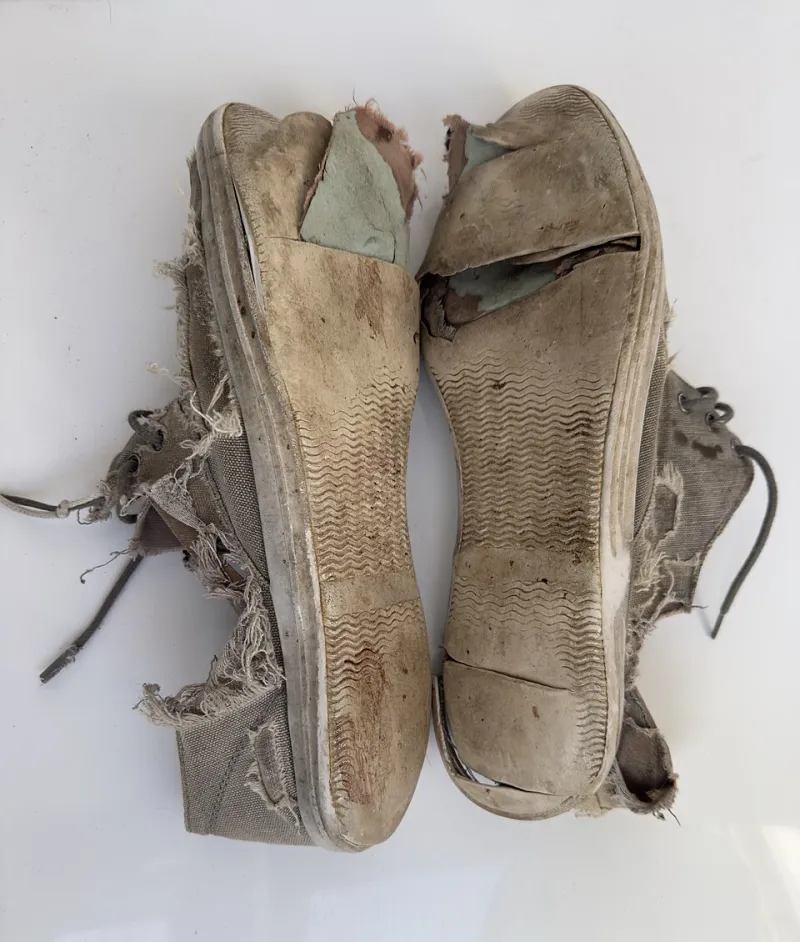
Here's what most sneakerheads don't factor in when they're stacking boxes: sneakers deteriorate whether you wear them or not. Polyurethane midsoles — the stuff that gives Dunks that clean, cushioned profile — breaks down over time through a process called hydrolysis. Basically, moisture in the air slowly eats away at the foam from the inside out. It doesn't matter if the shoes are deadstock. It doesn't matter if they've never touched pavement. Sit on them long enough and you'll pull them out one day to find the sole crumbling like old bread.
Storage conditions matter a lot here. Heat, humidity, and UV exposure all accelerate the process. If you're keeping pairs in a garage in Phoenix or a basement in Atlanta, the clock is ticking faster than you think. Even a well-air-conditioned room isn't a guarantee if the shoes are sealed in non-breathable boxes.
Beyond the physical decay, there's the financial cost of missed resale windows. The Dunk resale market moves fast. A pair that was sitting at 2x retail eighteen months ago might be at 1.1x today — or below retail entirely if the hype cycle has moved on. Every month you hold a pair you're not wearing is a month you're gambling on whether the market stays warm. Sometimes it does. Often, it doesn't.
The Emotional Math We Don't Talk About
There's another cost that's harder to quantify but just as real: the mental weight of owning things you feel obligated to keep.
Sneaker culture puts a lot of pressure on collectors to hold onto anything that might one day be considered a grail. And yeah, some of that instinct is valid — hindsight has made plenty of people wish they'd kept their 2003 releases. But that logic also gets used to justify keeping every single pair indefinitely, turning a curated collection into a warehouse.
Ask yourself this: if you bought a pair specifically because you loved how it looked on someone else, or because the hype told you it was important, but it has never once matched anything in your actual wardrobe — why is it still there? Owning a shoe you'll never wear isn't collecting. It's just hoarding with better box art.
The collection that actually means something is the one built around who you are, not who you thought you'd become when you clicked checkout.
A Framework for Making the Call
So how do you actually decide what stays and what goes? Here's a straightforward process that cuts through the noise.
The 12-Month Rule. If you haven't worn a pair in the last year and can't point to a specific upcoming occasion where you will, that's your first red flag. Exceptions exist — a true grail you'd never wear because it's genuinely irreplaceable — but be honest about how many pairs in your collection actually qualify for that status. Probably fewer than you think.
The Outfit Test. Pull the shoe out of the box and try to build three outfits around it right now using clothes you actually own. Not clothes you're planning to buy. Not clothes you used to own. What you have today. If you can't do it in five minutes, the shoe doesn't fit your life. It fits a fantasy version of your life.
The Replacement Value Check. Look up the current resale price. If the pair has appreciated significantly and you're not wearing it, you're essentially letting money sit on a shelf collecting dust. Could that money go toward a pair you'd actually rock regularly? Sometimes the most collector-minded move is selling high and reinvesting in something that genuinely fits your rotation.
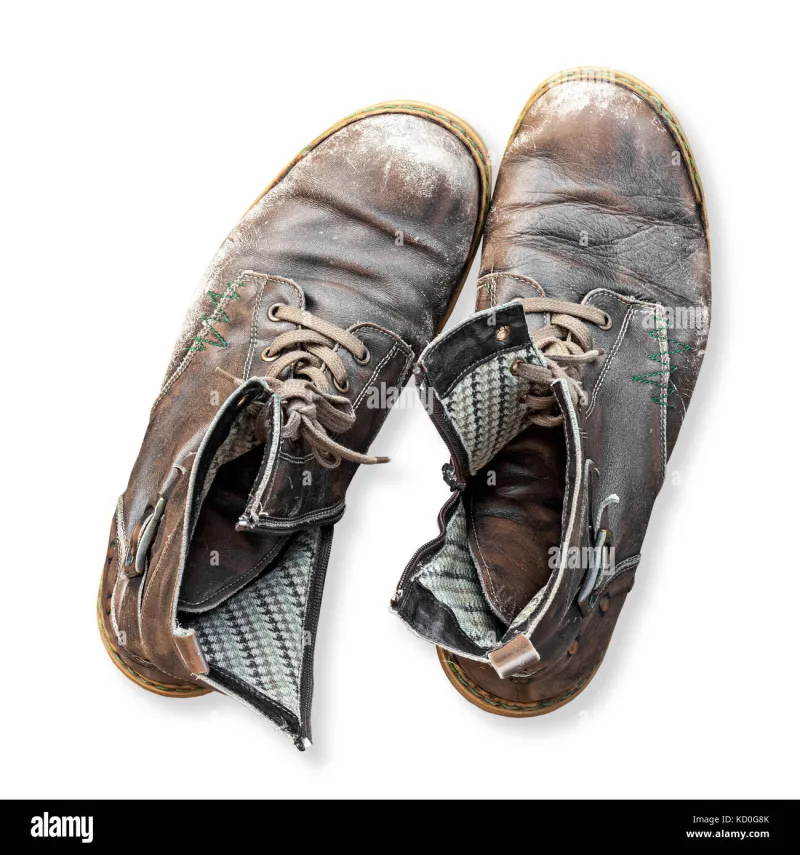
The Condition Assessment. Be real about what years of storage have done. Check the midsole for yellowing or brittleness. Check the glue along the toe box and heel. Check whether the materials have stiffened or cracked. A shoe that's already showing storage wear isn't a future grail — it's a future disappointment.
What to Do With the Pairs That Don't Make the Cut
Once you've identified the shoes that need to go, you've got options. Resale platforms like StockX, GOAT, and eBay are the obvious move for anything with market value. Local sneaker consignment shops are worth considering if you want faster turnaround without the hassle of shipping. Facebook groups and local sneaker communities often have buyers who'll pay fair prices without the platform fees.
For pairs that have aged past prime resale condition but still have life in them, consider passing them along to someone who'll actually wear them. A younger collector in your crew, a sibling, a community donation program. A shoe that gets worn is doing more for sneaker culture than one sitting in a box.
And if a pair is genuinely too far gone — sole crumbling, materials shot — let it go without guilt. You got what you could out of it. Holding onto deteriorated shoes doesn't honor the shoe. It just takes up space.
Build the Collection You Actually Live In
The goal of a Dunk collection isn't to have the most pairs. It's to have the right pairs — the ones that show up in your real life, that tell your actual story, that you reach for because they fit who you are right now.
A tighter, more intentional collection is easier to maintain, easier to insure, easier to store properly, and way more satisfying to look at. Every pair on that shelf should have a reason to be there beyond "I might want it someday."
Lace up the ones that belong. Let go of the ones that don't. That's not losing part of your collection — that's finally building the real one.