Zip Code Aesthetics: How Where You Live Shapes the Dunks You Wear

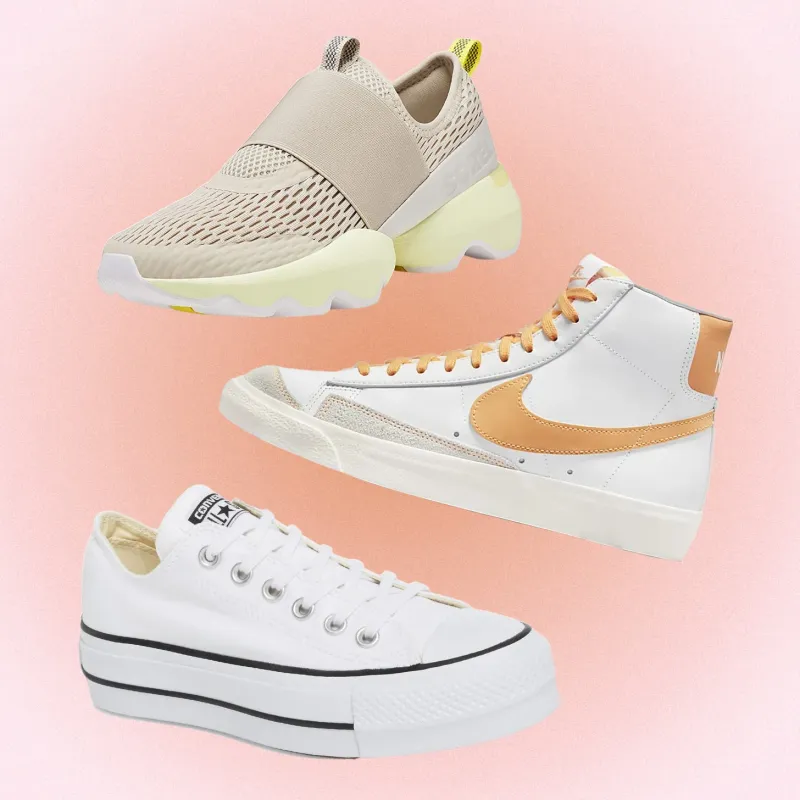
Photo: colorful sneaker collection displayed on shelf urban street style, via econtinua.uas.edu.mx
America doesn't have one sneaker culture. It has dozens — maybe hundreds — layered on top of each other like the colorways on a well-built Dunk. And if you pay attention, you can read a lot about a city's identity just by looking at which pairs are moving in its shops, showing up in its fit pics, and getting the most love on its local sneaker forums.
Geography shapes taste in ways that go deeper than weather, though weather is definitely part of it. History, community identity, local music scenes, sports culture, even the actual color palette of a city's skyline — all of it feeds into the collective aesthetic choices that make regional Dunk culture worth studying.
We dug into retail patterns, social listening data, and conversations with shop owners and collectors across the country to map out what your city's go-to colorway might actually be saying.
The Pacific Northwest: Earth Tones and Quiet Confidence
If you spend any time in the sneaker communities around Seattle or Portland, you'll notice a consistent pull toward muted, natural palettes. Browns, olives, slate grays, off-whites. Not because people here are boring — far from it — but because the aesthetic fits the environment and the culture surrounding it.
The Pacific Northwest has a long relationship with outdoor culture, with grunge, with a kind of deliberate low-key energy that resists the loudest version of anything. That translates directly into Dunk preferences. The Dunk Low "Baroque Brown" found a devoted following up here. So did earth-toned SBs that felt more at home on a rainy sidewalk than under a stadium light.
"People here don't want to announce themselves," says Alex Kuramoto, who works at a Portland shop that's been in the sneaker game for over a decade. "The flex is knowing. If you know, you know. The colorway doesn't need to scream."
That sensibility also connects to the region's deep skateboarding roots, where function and understated style have always been the standard. The SB line still carries real weight here in a way that feels more grounded than trend-driven.
The South: Brights, Boldness, and No Apologies
Drop down to Atlanta, Houston, or Miami and the energy flips completely. Southern streetwear has always operated in a register of confident excess — color, pattern, presence. And that shows up in the Dunks that resonate most.
Vibrant colorways move fast in these markets. The kind of pair that might feel risky or over-the-top somewhere else reads as essential here. Think neon accents, two-tone uppers with real contrast, anything that holds its own next to the bold fits that define Southern street style.
Houston specifically has a relationship with color that connects directly to its music culture. The city that gave the world chopped and screwed — a sound that's all about slowing down and savoring every detail — also has a sneaker culture that rewards the pair you have to stop and look at twice. "We don't do subtle," laughs Dominique Reyes, a collector and stylist based in Houston's Third Ward. "If the shoe doesn't make somebody ask about it, what's the point?"
In Atlanta, where the intersection of hip-hop, fashion, and basketball culture is basically the city's operating system, Dunks compete in a visual economy that demands presence. High-contrast colorways and limited collabs with Southern cultural ties move at a different pace here than almost anywhere else.
New York City: Heritage, Grit, and the Purist Standard
New York is its own category, which probably surprises nobody. The city has been central to sneaker culture since the beginning — before there was a resale market, before there were hype drops, when it was just about what you wore on the block and whether it held up.
Dunk culture in New York carries a purist streak that coexists with serious hype awareness. The city has a long memory, and that memory honors the original SB lineage, the old-school colorways, the pairs that meant something before they had a resale value attached. Classic Dunk Highs, OG colorways, and collabs with actual New York cultural roots get a different kind of respect here than the latest algorithmic hype drop.
"People in New York can smell inauthenticity," says sneaker writer and lifelong New Yorker Calvin Diaz. "A colorway that's just chasing a trend doesn't land the same way as something that feels like it belongs here. The shoe has to have a story."
The city's five boroughs also create micro-aesthetic zones within the larger New York identity — what's moving in the Bronx versus what's getting attention in downtown Manhattan can look pretty different up close.
The Midwest: Underrated, Underhyped, and Watching Everything
Chicago gets its own mention in any serious sneaker conversation, partly because of the Jordan legacy and partly because the city has developed a sophisticated palate that doesn't need validation from either coast. Dunks that connect to local sports culture — Bulls colorways, anything with a Chicago tie-in — have an obvious home here, but the broader Midwest aesthetic also leans toward versatile pairs that can carry a full year of seasons.
Detroit, Cleveland, and Minneapolis all have active communities that tend to favor durability and wearability alongside style. These are cities where the shoe actually gets worn, where the crease on the toe box is a badge rather than a tragedy. The collector culture here is real and knowledgeable, but there's less tolerance for pairs that are purely display pieces.
The Southwest: Desert Palettes and Sun-Bleached Cool
Phoenix, Albuquerque, and parts of Southern California share a visual vocabulary shaped by desert light and heat — warm neutrals, terracotta, dusty pinks, the kind of palette that looks like it was designed to exist under a high, bright sun.
Sneaker culture in these markets has embraced Dunk colorways that echo that environment. Warm-toned suedes, sand and clay palettes, anything that feels like it belongs in the landscape. There's also a strong Native American and Latinx cultural influence on Southwest aesthetics that shows up in the preference for rich earth tones and geometric-adjacent designs.
What the Map Tells Us
Zoom out and what you're looking at is a country where a single silhouette — same shape, same construction, same basic DNA — gets interpreted through dozens of different cultural lenses simultaneously. That's not a bug in Dunk culture. That's the whole feature.
The Nike Dunk became an icon partly because it was blank enough to absorb meaning from wherever it landed. A shoe that works in the Pacific Northwest rain and the Texas heat and on a New York subway platform and in a Phoenix skatepark isn't just a well-made product. It's a canvas.
And every city, every neighborhood, every community that picks up that canvas and decides what it means to them is adding something to the culture that nobody else could have brought.
Lace up accordingly.