Ghost Pairs: The Cancelled Dunk Collabs That Haunt Sneaker Culture More Than Any Release Ever Could
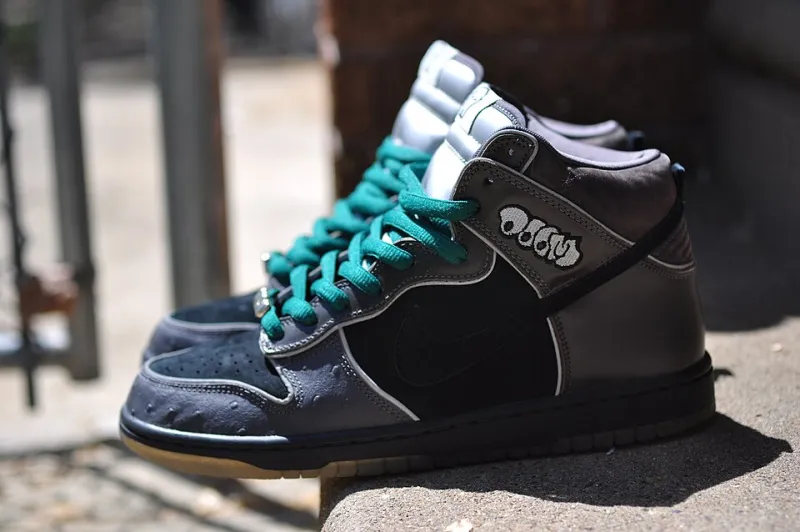
Photo: unreleased sneaker samples display collector rare shoes, via i.ytimg.com
There's a certain kind of pain that only sneakerheads understand. It's not the L on a SNKRS app draw. It's not watching a resale price climb past what you can afford. It's the specific, hollow ache of learning about a Dunk collab that was fully designed, sampled, and ready to go — and then just... didn't happen. No explanation. No rescheduled date. Just gone.
These are the ghost pairs. And in a culture built on scarcity, nothing is scarcer than a shoe that was never actually released.
The Mythology of the Missing Pair
Sneak culture has always been obsessed with what's rare. But there's a difference between a limited drop and a cancelled one. Limited drops create hype. Cancelled drops create mythology.
When a collab gets shelved — whether because of a contract dispute, a brand falling out of favor, a designer walking away, or just corporate cold feet — it enters a weird liminal space. The design exists. Samples exist. Photos sometimes leak. But the shoe itself never reaches the people who would have loved it most.
Collectors who've spent time in the deeper corners of sneaker Discord servers and private collector forums will tell you: the cancelled Dunk conversation is some of the most passionate discourse in the entire community. People debate the merits of shoes they've never touched, never tried on, and in some cases have only seen in grainy sample photos. That's a level of emotional investment that finished, released, sitting-on-shelves product rarely generates.
"There's something about the unfinished story," says Marcus, a Chicago-based collector who's been deep in Dunk culture since the early 2000s. "When a shoe gets cancelled, it becomes whatever you want it to be. Nobody can tell you it's overhyped or that the quality wasn't there. It's perfect because it's untested."
What Gets Killed and Why
The reasons behind a cancelled collab are almost never straightforward. Sometimes it's a licensing issue — a brand or artist that Nike partnered with runs into legal trouble or a public relations nightmare, and the association becomes more liability than asset. Sometimes it's internal. A creative direction shifts, a key executive leaves, and projects that were greenlit quietly lose their champions.
Other times, it's the collaborator who walks. Independent designers and smaller brands occasionally get deep into the process before realizing that what they're being offered doesn't match what they actually envisioned. The Dunk's silhouette is iconic enough that a lot of creatives want to put their stamp on it — but the corporate machinery around a Nike collaboration can grind against the kind of raw, unfiltered vision that made those collaborators interesting in the first place.
And then there are the colorways. Not full collabs, just internal Nike projects that got killed before they ever had a name attached. Samples that circulated among employees, or leaked into the collector market through channels that nobody talks about on the record. These are arguably the most fascinating ghost pairs because they show you what Nike itself was thinking — the directions it considered and then abandoned.
"Samples tell you more about the brand's creative DNA than most of what actually releases," says Deja, a sneaker authenticator based in Atlanta who has handled more than a few unreleased pairs over the years. "You see the experiments. The risks they almost took. It's like reading someone's journal versus reading the book they published."
The Discord Economy of Unreleased Dunks
Here's the thing about ghost pairs: they don't stay invisible. They circulate. Collector communities — particularly tight-knit Discord servers and private Instagram groups — have developed entire ecosystems around documenting, discussing, and occasionally trading unreleased product.
Some of this is pure archival instinct. Sneakerheads are, at their core, historians. The impulse to document what existed, even briefly, is genuine and valuable. But some of it is also financial. Authentic samples and unreleased pairs command serious money in the private collector market, sometimes significantly more than their released counterparts would have fetched at retail or even on StockX.
The scarcity math is different for a ghost pair. There might be three samples in existence. There might be ten. Nobody outside a small circle really knows. That uncertainty drives value in a way that even the most limited retail drops can't replicate.
But Marcus pushes back on the idea that it's purely mercenary. "Most of the people I know who are into unreleased stuff, they're not trying to flip it. They want to own a piece of history that most people don't even know exists. That's a different motivation than chasing a hyped drop."
What the Ghost Drops Reveal About Us
If you want to understand what sneakerheads actually value — stripped away from the marketing, the influencer posts, and the SNKRS countdown timers — pay attention to which cancelled collabs people mourn the most.
It's rarely the projects that would have been the biggest commercial releases. The ghost pairs that generate the most sustained conversation tend to be the ones that felt most authentic. Collaborations with artists or designers who had a genuine, specific connection to the Dunk's history. Colorways that referenced something real — a neighborhood, a subculture, a moment in time — rather than chasing a trend.
This is the quiet corrective that cancelled collabs offer to hype culture. Hype tells you to want whatever's loudest. Ghost pairs reveal that what the community actually treasures is specificity, authenticity, and story. The shoes that didn't drop often had more of those qualities than plenty of the shoes that did.
"There's a collab that got killed a few years back — I'm not going to say who it was with — but it would have been one of the most important Dunks in a decade," says a designer who asked to remain anonymous. "It was rooted in something real. It had a reason to exist beyond just selling. And it got shelved because the timing was wrong, or the numbers didn't pencil out, or something. That one still bothers me."
The Future of the Drop That Didn't Happen
As Nike continues to navigate an increasingly complicated collab landscape — balancing cultural credibility with commercial scale — the list of ghost pairs is only going to grow. More collaborators means more potential friction. More corporate oversight means more projects that die in committee.
For collectors, that's actually an interesting opportunity. The community infrastructure to document and preserve unreleased Dunk history is better now than it's ever been. The archivists in those Discord servers are doing real work, and their records matter.
For the broader culture, the ghost pairs serve as a useful reminder: the Dunk's power was never just about what Nike decided to release. It's been shaped just as much by what got away — the ideas that almost happened, the collabs that fell apart, the colorways that existed only long enough to be photographed.
Sometimes the shoe that haunts you is the one that never existed at all. And maybe that's the point. The Dunk has always been about more than the physical object. It's about what the object represents — and a cancelled collab, in its own strange way, represents the purity of an idea before commerce got involved.
Lace up. But don't forget the pairs you never got to lace.